The classroom may be quiet, but outside its walls, the world is anything but predictable.
Heavy rains can turn familiar roads into floodwaters. An earthquake can transform an ordinary school day into an emergency. A medical incident can leave a student or teacher needing immediate assistance. And when these moments come, the difference between panic and preparedness often lies in what people know, how they respond, and whether they are ready to help one another.
For many students, disaster preparedness begins with an evacuation drill or a safety reminder from a teacher. But for a growing number of learners in Bugallon, Pangasinan, it is becoming something more: an opportunity to discover that they, too, can play a role in protecting their communities.
This is the idea behind ALWAR, or the Association of Learners Working for Altruism and Resilience, a school-based initiative of Padyarescue Incorporated that seeks to transform young people from passive recipients of safety education into active partners in building resilient communities.
Its message is simple, yet powerful: students are not merely the future of disaster resilience. They can help build it today.
“Students are not merely the future of disaster resilience. They can help build it today.”
— ALWAR Initiative
When Preparedness Becomes a Responsibility
In the Philippines, where communities regularly face typhoons, flooding, earthquakes, and other hazards, preparedness is an everyday necessity. Schools, in particular, carry the responsibility of keeping learners safe while equipping them with the knowledge to respond to emergencies.
Yet preparedness is not built through drills alone. It also depends on whether people understand the risks they face, know how to respond appropriately, and develop the confidence to act responsibly when situations become difficult.
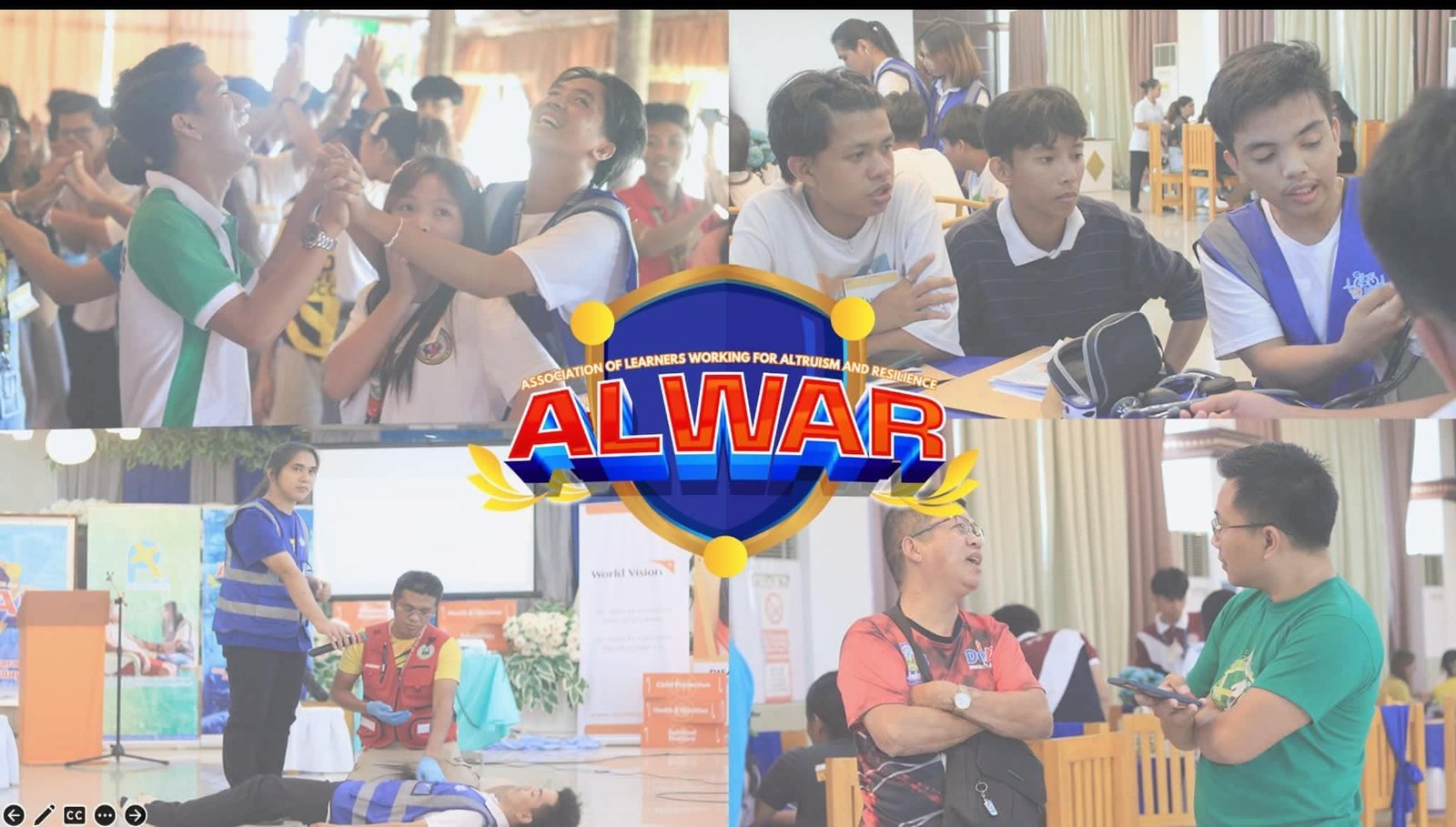
ALWAR seeks to bring these elements together by introducing learners to disaster risk reduction and management, climate change adaptation, first aid, and basic life support.
Through training and school-based activities, students learn about emergency preparedness, appropriate response, teamwork, and the importance of following established safety protocols. They are encouraged to understand not only how emergencies happen, but also how their actions can contribute to the safety of the people around them.
The initiative is grounded in a belief that young people should not be underestimated simply because they are young.
With proper guidance and training, learners can become advocates for preparedness within their schools, helping promote safety awareness among their classmates, families, and communities.
The goal is not to turn students into substitutes for professional responders. It is to help them recognize their capabilities, understand their limitations, and become responsible participants in a larger network of community protection.
The Meaning Behind ALWAR
At the heart of ALWAR is a word that extends beyond technical training: altruism.
To be altruistic is to consider the welfare of others and to be willing to contribute to their well-being. In the context of disaster preparedness, this means understanding that safety is not merely an individual concern. It is a shared responsibility.
A student who understands evacuation procedures can help remind classmates to follow them. A learner trained in appropriate first aid may be better prepared to provide assistance within the limits of their training. A young leader who recognizes the importance of preparedness can encourage others to take school safety seriously.
These actions may appear small, but they reflect a larger principle: resilience grows when people look beyond themselves and recognize their responsibility to others.
ALWAR seeks to nurture this mindset alongside practical skills. By bringing together learners who share a commitment to service, the initiative creates opportunities for teamwork, leadership, and meaningful participation in school safety activities.
In doing so, it reframes preparedness as more than compliance with rules. It becomes an expression of care for one's classmates, school, family, and community.
Resilience Is Also About the Mind
Disasters do not leave their effects on buildings and infrastructure alone. They can also affect people's sense of security, emotional well-being, and ability to cope with uncertainty.
For young people, these challenges can be particularly difficult. Fear, stress, and confusion may accompany emergencies, while the pressures of everyday life can also affect their ability to learn, lead, and support others.
Recognizing this, ALWAR incorporates mental health awareness into its broader approach to resilience.
The initiative acknowledges that preparing for adversity requires attention to both physical safety and psychosocial well-being. Learners need to understand the importance of supportive relationships, responsible peer support, and seeking assistance from qualified professionals when necessary.
This perspective broadens the meaning of resilience. It is not simply about being brave in the face of danger or recovering quickly after a crisis. It is also about recognizing vulnerability, knowing when to ask for help, and creating environments where people feel supported.
By bringing these ideas into school-based youth development, ALWAR seeks to encourage a culture in which preparedness and compassion reinforce one another.
From the Classroom to the Community
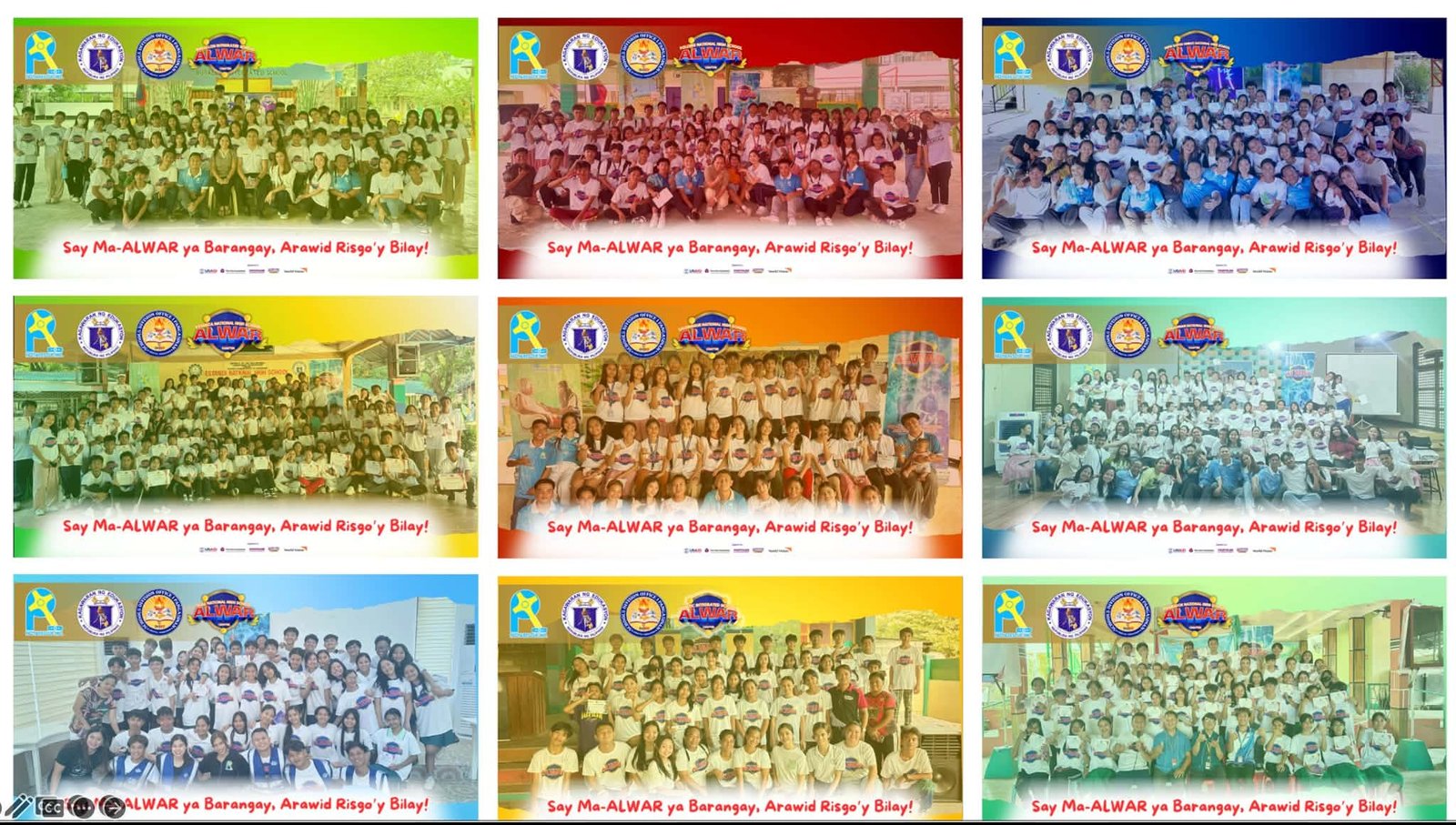
ALWAR's work in Bugallon has involved schools including Bugallon Integrated School, Irene Rayos Ombac National High School, Polong National High School, Salomague National High School, and Portic Integrated School.
The initiative's program records describe an initial engagement involving approximately 35 student leaders and five school disaster risk reduction coordinators. Subsequent plans envisioned expanding participation to additional schools within Schools Division Office I Pangasinan, with a target of 10 major participating schools and around 300 learners.
These figures represent reported program milestones and expansion targets, rather than a verified current total.
Behind the numbers is a vision that extends beyond individual training sessions. ALWAR seeks to encourage schools to become environments where preparedness is practiced, leadership is nurtured, and students are given appropriate opportunities to contribute.
Teachers, school heads, and disaster risk reduction coordinators remain essential to this effort. Their guidance helps ensure that student participation complements school safety plans and that learners understand the boundaries of their responsibilities during emergencies.
The challenge is to make resilience a continuing practice rather than a one-time activity—to move from knowing what to do toward building the habits, relationships, and systems that help a school community respond more effectively.
A Connection to a Bigger Movement
ALWAR is part of the broader work of Padyarescue Incorporated, a youth-led organization working to empower young people and strengthen community resilience.
Its philosophy is closely connected to the organization's Go Bike Project, which began in Barangay Umanday, Bugallon, in 2019. Go Bike mobilizes and trains young volunteers to contribute to community emergency response, disaster preparedness, and related community services.
Where Go Bike develops community-based volunteer responders, ALWAR brings the principles of preparedness, altruism, and youth leadership into schools.
Both initiatives share a conviction that young people should not simply wait for opportunities to contribute. They should be equipped, supported, and trusted to take appropriate roles in addressing the challenges facing their communities.
The connection also points to a broader understanding of disaster resilience: it cannot depend on emergency agencies alone. It grows through the participation of families, schools, local governments, community organizations, and citizens who understand their roles and work together.
For ALWAR, the school becomes an important starting point for cultivating that shared responsibility.
“Resilience is not built by waiting for heroes to arrive. It is built when ordinary people discover how they can contribute—and choose to act together.”
— ALWAR Core Principle
Preparing a Generation That Cares
The true measure of ALWAR will not be found only in the number of learners trained or schools reached. Those figures matter, but the initiative's deeper promise lies in what students carry with them after the training ends.
Will they take preparedness more seriously? Will they become more confident in following emergency procedures? Will they encourage their classmates to participate in school safety activities? Will they understand that serving others requires both compassion and competence?
These are questions that sustained implementation and careful monitoring must help answer.
Building a culture of resilience takes time. It requires continuing education, refresher training, supportive school leadership, opportunities for student participation, and evidence that learning translates into safer practices.
But the work begins with a simple act: giving young people the chance to recognize that they have a role to play.
In a country where disasters are a recurring reality, that realization matters. Every learner who understands preparedness, respects the importance of safety, and develops a commitment to helping others contributes to a wider culture of resilience.
ALWAR is working toward that possibility—one learner, one school, and one community at a time.
Because when students learn not only to protect themselves but also to care responsibly for others, education becomes more than the acquisition of knowledge. It becomes preparation for citizenship, leadership, and service.
And perhaps that is the most important lesson ALWAR hopes to impart: resilience is not built by waiting for heroes to arrive. It is built when ordinary people discover how they can contribute—and choose to act together.
The future of resilient communities begins not only with those who respond when disaster strikes, but with the learners who are preparing today to make a difference tomorrow.
Explore Related Programs